🎿 Skiing Ban
Skiing, snowboarding, or other winter sports are high-risk activities that are not covered by standard travel insurance. To ensure financial protection in the event of injuries or accidents, it is essential to choose specialized ski insurance.
Palyginti kainas dabarPatikimi draudimo partneriai
The Mountains Are Calling: Everything You Need to Know About Ski Trip Insurance
Skiing, as wonderful as it is, is one of the most high-risk activities, and ski resorts are remote locations where medical care costs a fortune. That’s exactly why getting the right ski trip insurance is just as important as making sure your skis are in good condition. Our goal is to give you peace of mind and protect your savings in case the fun turns into a disaster. Read on to find out why a 20–30 euro insurance policy is the most valuable item you’ll pack in your suitcase.
Why isn't standard travel insurance enough when hiking in the mountains?
Frequent travelers often think, “I have standard travel insurance—I’m all set.” Unfortunately, skiing is classified as a high-risk sport, and most basic travel insurance policies simply don’t cover such activities. A mountain resort isn’t like an “all-inclusive” hotel in Turkey, and skiing down a black run isn’t like taking a stroll along the beach. You need specialized insurance that specifically covers the unique nature of this activity.
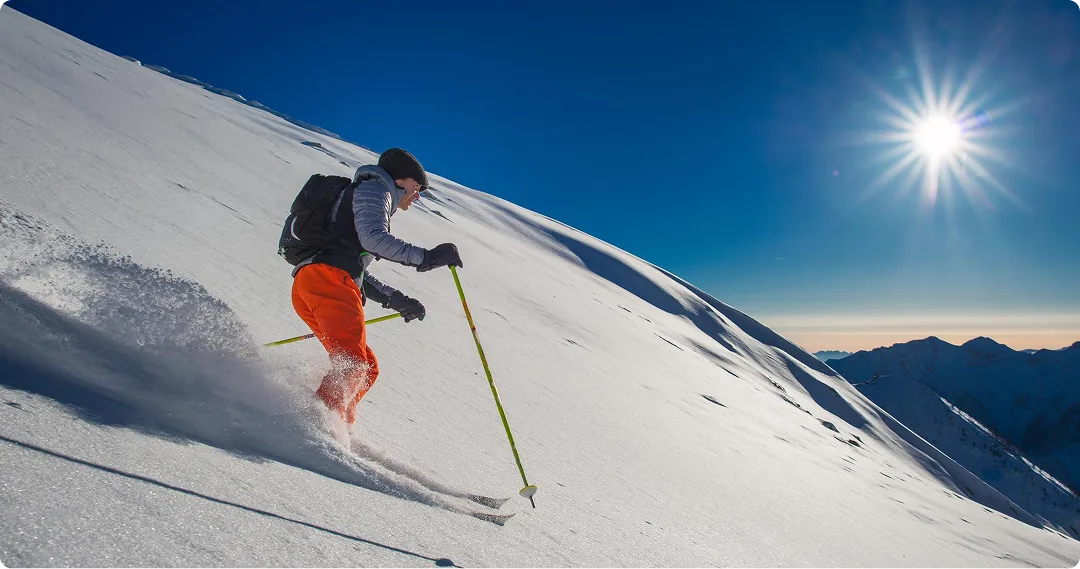
Level of risk: the difference between lying on the beach and skiing down a black run
Insurance companies classify risks into categories. Skiing, snowboarding, or even simple sledding are sometimes classified as “extreme” or “active” sports. If your policy doesn’t include additional coverage for high-risk activities, the insurance company will simply refuse to cover your expenses in the event of an injury, arguing that the activity you chose wasn’t included in the contract. This means you’ll be left facing very large medical bills.
What does specialized insurance actually cover?
Specialized ski travel insurance covers much more than just treatment for a broken leg. It ensures that these essential expenses—which are particularly important in the mountains—will be covered:
Medical expenses: Hospital bills, surgeries, medications, doctor's visits.
Transportation and Rescue Operations: The most expensive and critical part is transportation from the trail and calling in a helicopter.
Repatriation: Return to Lithuania to continue medical treatment, if necessary.
Civil Liability: Protection against third-party claims (if you accidentally injure another skier or damage their equipment).
Helicopters and Rescue Operations: The Most Costly Mistake Made by Those Trying to Save Money
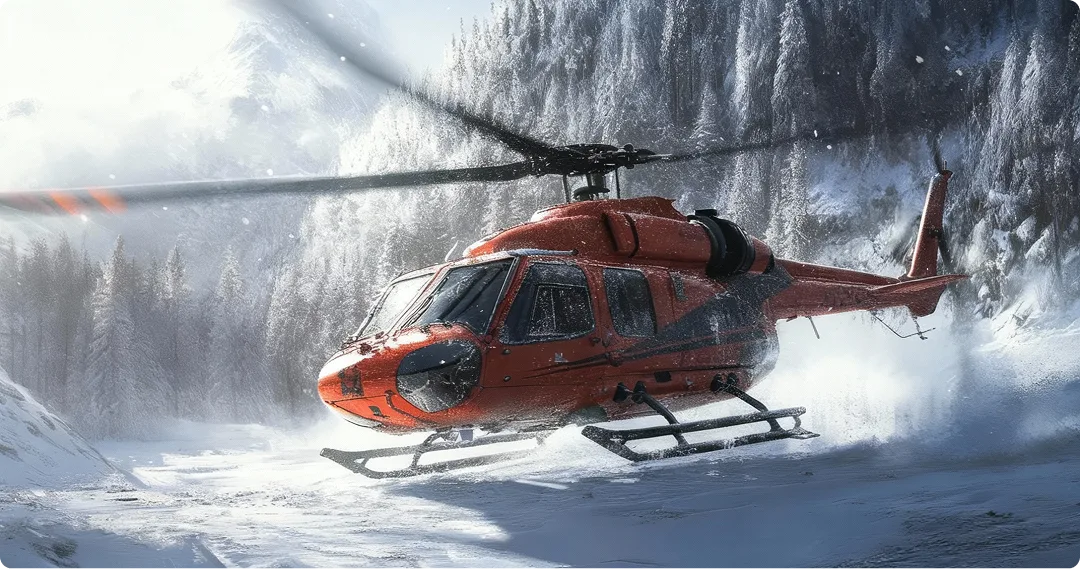
That’s where the greatest risk lies. In the mountains, time and speed are critical. Rescuers, especially those farther from the main trails, can often reach an injured person only by helicopter. Many skiers ignore this risk, believing that such mishaps only happen to others. But the reality is unforgiving.
Imagine this situation, which happened to one of our clients in the Alps:
Vytas, an experienced skier, is skiing down the mountain. A momentary lapse in concentration, a turn on the ice, and an uncontrolled fall. Vytas suffers serious fractures. A rescue helicopter is the first to arrive at the scene. After being flown to the nearest medical facility, it becomes clear that due to the complexity of his injuries, they cannot provide the necessary care. Vytas is flown by a second helicopter to a larger hospital. There, after assessing the situation, a decision is made to transport him to an even larger specialized center (the third helicopter). He undergoes professional surgery, followed by a long period of postoperative care. The total cost for the three helicopter flights, the surgical procedure, intensive care, medications, and hospital services exceeded 60,000 euros.
Fortunately, Vytas had purchased insurance before his trip. His ski trip insurance, which cost about 30 euros, provided maximum coverage for medical expenses and included rescue operations. The insurance company not only paid the entire bill of over 60,000 euros but also arranged for Vytas’s repatriation (flight home) to Lithuania. Vytas received incredibly valuable coverage for a minimal cost. This is the best example of how a small investment can protect against enormous financial losses.
Here's a lesson to learn: in the mountains, calling in a helicopter can cost up to 15,000 euros per flight. Do you really want to take that risk?
The ESDK Card vs. Private Insurance: Why Won't the European Card Be Enough?
Many European citizens are pleased to have an EHIC (European Health Insurance Card), which entitles them to essential medical care in EU countries. It’s a great tool, but at ski resorts it becomes almost worthless if you don’t have supplemental insurance.
What does the European Health Insurance Card offer?
The ESDK guarantees that you will receive the same essential medical services that a resident of that country would receive. This refers only to what is necessary from public institutions.
ESDK does not cover the very things that are most important to you in the mountains:
Rescue operations: The ESDK will not cover the cost of any helicopters or rescue teams called in from off the course.
Private Healthcare: In most Alpine resorts, first-aid stations are private clinics. The ESDK is not valid there. You will be referred to a distant public hospital (if you are still able to travel there) or will have to pay out of pocket.
Repatriation: ESDK will not cover the cost of your return to Lithuania, should it become necessary (for example, via a special flight or with medical escort).
That is precisely why ESDK and specialized ski travel insurance must go hand in hand. ESDK provides a basic safety net, while insurance offers real protection.
Ski Equipment and Civil Liability: Protection Beyond Just Health
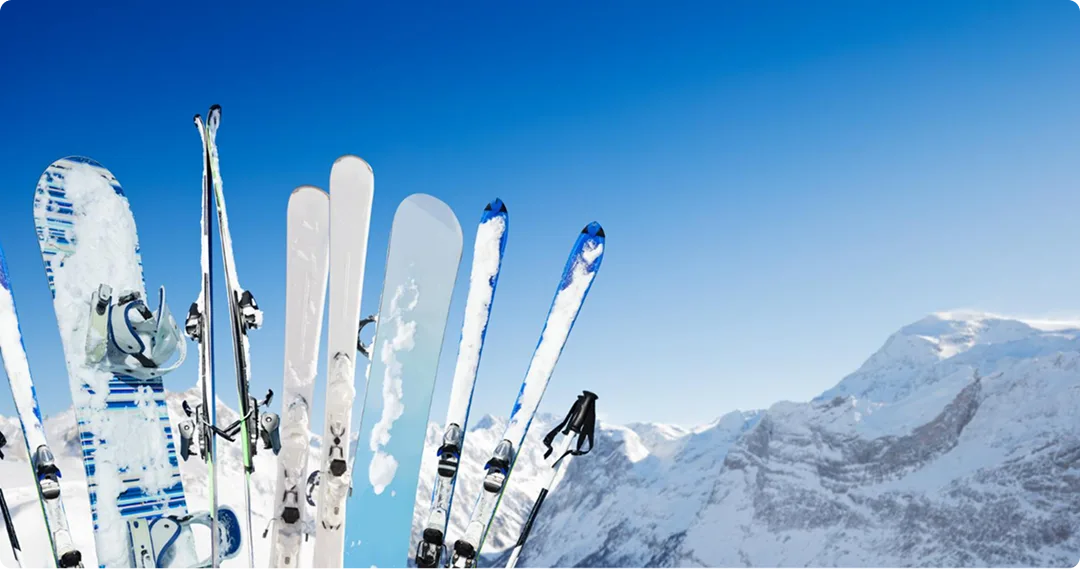
When we think about insurance, we usually think about our health. However, there’s another major risk in the mountains—your gear and your liability toward others.
If you accidentally collide with another skier
The slopes are full of people. One careless move, and you could collide with another skier. If you accidentally injure them or damage their equipment, they have the right to demand compensation. Civil liability insurance covers these claims, protecting you from thousands in legal fees and compensation payments.
Stolen skis or a broken snowboard
Your gear is expensive. A set of skis or snowboards can easily cost 1,000 euros or more. If you purchase insurance that covers luggage and equipment, you’ll be protected if your equipment is stolen from storage or damaged during transport. Don’t forget to check whether the policy also covers rented equipment!
What to Look Out for When Filling Out an Insurance Policy: "Catch-22s" and Tips
An insurance policy isn't a magic piece of paper—it's a contract. Before you buy one, there are a few rules you should know to avoid misunderstandings later on.
Alcohol and skiing—they don't mix
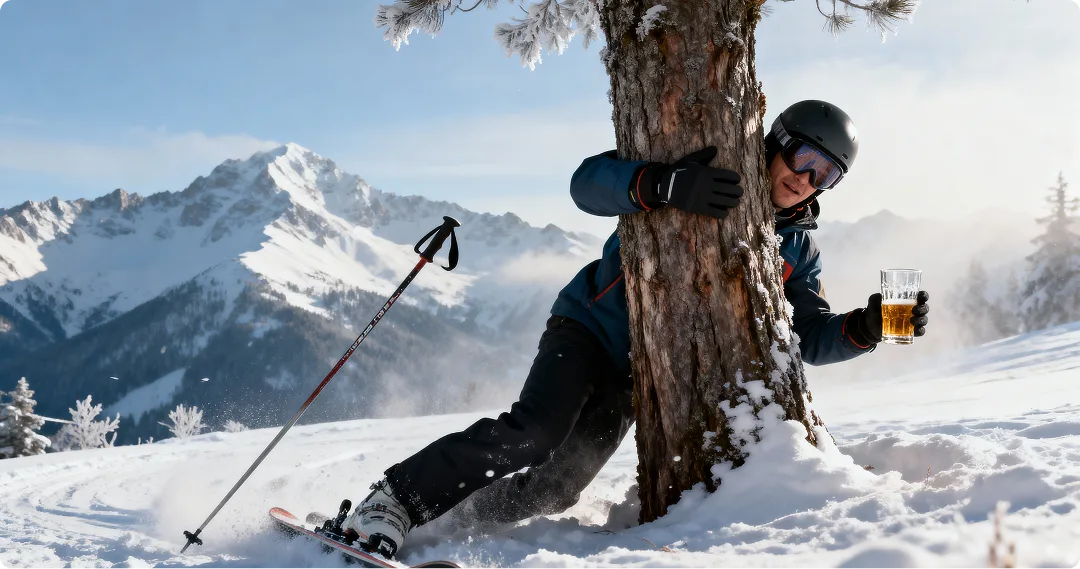
This is the “golden rule.” If an accident occurs and your blood alcohol level exceeds the local limit (or any level specified in the policy), your insurance will most likely be invalid. Insurance protects against accidents, not against irresponsibility. Be careful après-ski on the track and on the course!
Trails and Off-Piste
If you’re an adrenaline junkie and plan to ski off-piste, make sure your insurance covers it. This often requires selecting a higher-level “extreme sports” package. Standard ski trip insurance is valid only on safe and supervised slopes.
How do you choose the best option, and how much does it cost?
The best part is that peace and quiet in the mountains doesn't cost much. The cost of ski insurance is minuscule compared to the potential expenses (remember Vyto’s example). Most often, a few days’ worth of insurance costs less than a single dinner at a resort restaurant.
Making a choice doesn't have to be a headache. That's why platforms like draudykle.lt exist. We let you compare the best offers from insurance companies in just a few minutes, choose the coverage amounts you need (especially for high medical expenses, which are mandatory in the mountains), and purchase a policy right away.
No need to guess—find out the exact price for your trip in just a few seconds. Get insurance quotes in just a few minutes!

What to Do in Case of an Emergency in the Mountains? (A Step-by-Step Guide)
Safety first: Contact the lifeguards (if you're on the course) or call for help using the local emergency number.
Contact your insurer: Notify the insurance assistance center as soon as possible. Always carry the insurer’s assistance phone number with you. They will coordinate your transportation and medical treatment.
Don't risk civil liability: If you collide with another skier, do not admit fault and do not sign any documents. Let your insurance company handle it.
Gather your documents: Keep all receipts, medical records, and certificates from first responders. These documents will be required to receive compensation.
Conclusions
Ski travel insurance isn't just an extra expense—it's a responsible traveler's investment in peace of mind. Whether you’re a young driver who loves speed or a family head planning a safe vacation, safety in the mountains is the number one priority. The low cost of insurance can’t compare to the thousands in bills that could ruin even the most wonderful vacation.
A trip to the mountains should be about discovery, not worry. Make sure you have financial protection so you can focus all your attention on the snow, speed, and new experiences.
Don't risk your vacation budget. Check the price now And have a safe trip!