🏢 Home Insurance
Find out why home insurance is a practical solution for protecting your property from everyday surprises and major losses.
Palyginti kainas dabarPatikimi draudimo partneriai
Home Insurance: Why You Need It and What You Should Know
Living in an apartment is often associated with simplicity, less maintenance than in a single-family home, shared utility systems, and a distinctive “collective” lifestyle. However, this very lifestyle also means a higher level of interdependence: your safety and property depend not only on you, but also on the condition of the entire building and the behavior of your neighbors. All it takes is a single leaky pipe above your unit, a short circuit in the electrical panel, or a careless act by a neighbor, and your apartment could be damaged in a matter of minutes. For this reason, apartment insurance is not just an additional service, but a vital measure for every responsible resident of a multi-unit building.
Property damage usually occurs not because of theft or natural disasters, but because of very simple, everyday things: a clogged pipe, a leaky washing machine, or a short circuit. In apartment buildings, these problems often affect more than one unit—they spread from floor to floor. If you flood your neighbor’s unit, you’re liable. If your unit is flooded, that doesn’t mean your neighbor will have insurance. Therefore, comprehensive coverage must include not only your own property but also your potential liability to others. Insurance provides peace of mind, knowing that any unexpected event won’t undermine your financial stability.
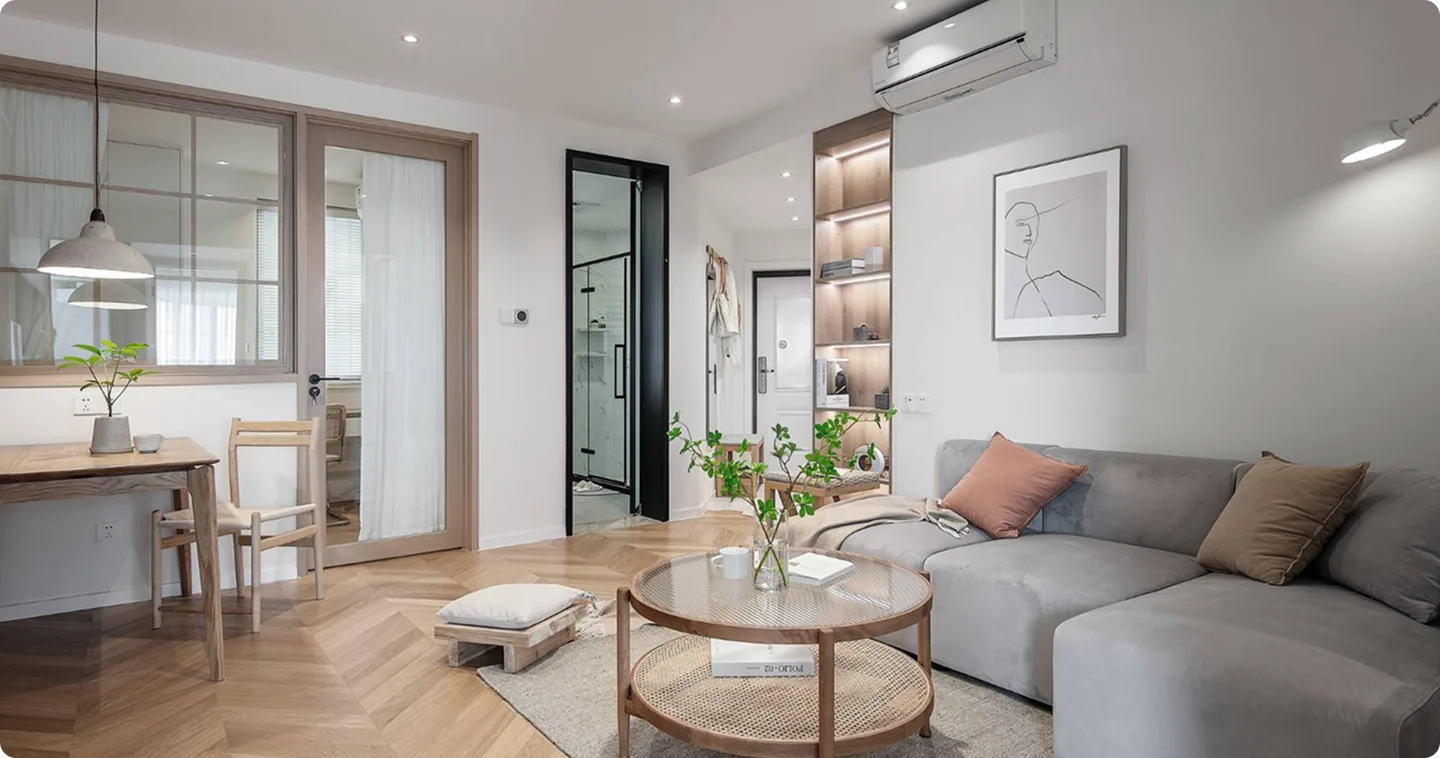
What does apartment insurance cover?
There are several types of apartment insurance, but it most commonly covers three main areas: building insurance, contents insurance, and liability insurance. Structural insurance protects against damage to the apartment itself—walls, floors, windows, doors, built-in plumbing, and electrical wiring. Banks that finance the purchase of a property often require this type of insurance, but in reality, it is only part of the overall coverage.

Home contents insurance provides much broader coverage. This includes your furniture, home appliances, electronics, sports equipment, clothing, and even your child’s toys. Any fire, flood, theft, or simply careless behavior often affects these very items, so insuring only the structure is like insuring the outside but leaving the inside unprotected. This insurance can cover both individual items and all property as a whole, so there’s no need to insure a TV or a phone separately—everything is covered by a single policy. This not only reduces costs but also simplifies the entire process.
The third part is liability insurance, which is important for everyone who lives among neighbors. If an incident occurs in your apartment that affects others—for example, a water leak that damages the apartment below—you’re liable. If you don’t have liability insurance, you’ll have to cover all the damages yourself. Sometimes this amounts to a few hundred euros, but often it’s thousands. With liability insurance, these costs are covered for you.
Why isn't it worth insuring items individually?

There are many people who choose to insure certain valuable items separately—for example, a cell phone, a computer, or other personal or household items. However, this practice is often more expensive and less effective. With home contents insurance, all of these items are already covered under a single policy. And this is especially useful not just for natural disasters, but for everyday, very mundane situations. For example, a phone slips out of your hand, a cup of coffee is accidentally spilled on a laptop, or a child drops the TV remote on the screen, causing it to crack. Such incidents are much more common than fires or thefts, but the losses are real and often costly.
Homeowners insurance helps you manage these unexpected financial setbacks. It covers not only the damaged item but often also additional expenses if you need to purchase a temporary replacement or have repairs done. In addition, this coverage includes accidental acts by family members—if a child or even a pet causes damage, you won’t have to pay for everything out of your own pocket. Therefore, insuring individual items is not only financially unwise but also fails to reflect the real risks of everyday life.
If you live in a rented apartment, it’s worth knowing that you can take out insurance even if you aren’t the official owner—in that case, your personal property is insured. This is a safety measure that is unrelated to legal ownership of the property.
When Should You Add Civil Liability Coverage to Your Insurance Policy?

Many people think, “If the apartment is mine, I’ll take care of myself—why should I worry about others?” But when you live in an apartment building, you’re inevitably part of the shared infrastructure. A water leak from your apartment through old pipes can cause damage to a neighbor even if it’s not your fault—and civil liability insurance would cover it. You should also consider the risks associated with electrical systems, fire, or even the behavior of pets, if you keep them in your apartment.
Furthermore, this type of insurance is relevant not only in a residential context. If your child happens to break a neighbor’s window with a ball or damages common property in the stairwell, that is also damage for which you will be held liable. Civil liability insurance helps you avoid financial disputes and lawsuits, and preserves good relations with those around you.
Practical Tips and Common Mistakes
One of the most common misconceptions is the belief that home insurance is expensive or that it’s only necessary for expensive homes. The reality is that basic policies start at just a few dozen euros per year, and the coverage packages offered can be tailored to each person’s lifestyle. Everyone can choose the coverage amount, term, and terms—and purchase everything online in just a few minutes.
Another mistake is assuming that if your apartment is insured as required by the bank, you’re fully protected. Unfortunately, such policies usually cover only the building structure, not your furniture or your liability toward others. So, if your furniture cost several thousand, losing it without additional coverage could be a major financial blow.
Home insurance can be combined with other types of coverage—for example, short-term property insurance if you’re renting an apartment, or additional electronics coverage if you have a lot of valuable electronics. Every situation is different, but the general principle is simple: the more risks are covered, the more peace of mind you have.
Frequently Asked Questions (FAQ)
Do I need insurance if I live in a rented apartment?
Yes, you can insure your personal property and civil liability.
What does home contents insurance cover?
It includes furniture, home appliances, electronics, clothing, and even sports equipment and children's items.
Is civil liability mandatory?
No, but it's highly recommended—especially when living among neighbors.
Can I do everything online?
Yes, through a platform like Draudykle.lt, you can enter your information, compare quotes, and purchase a policy in just a few minutes.