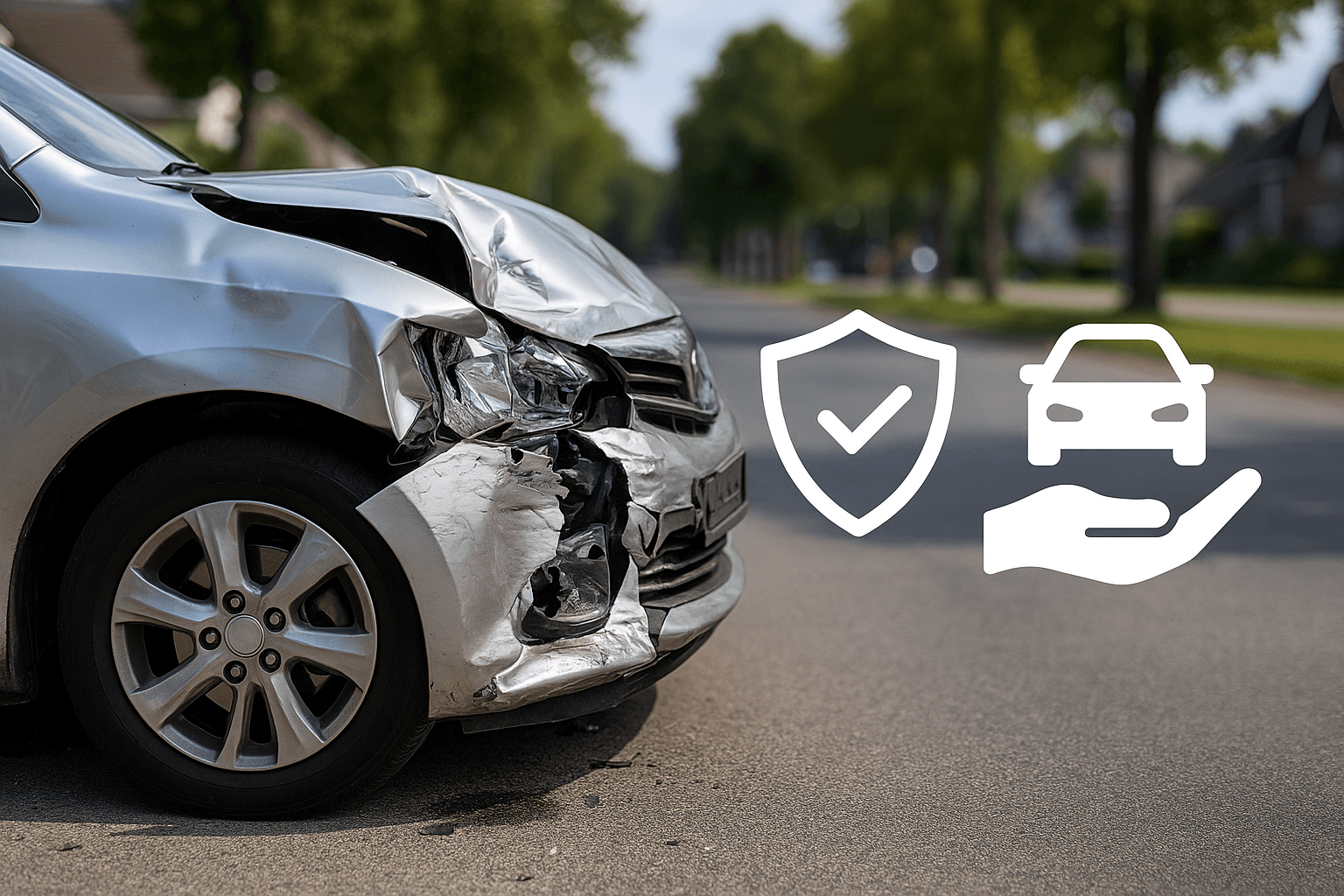
When should you choose comprehensive auto insurance, and when is third-party liability insurance sufficient?
Most drivers in Lithuania are well aware that in order to drive on public roads, it is mandatory to have compulsory civil liability insurance— TPVCA. However, the question often arises: Is this insurance sufficient for all situations in life, or is it worth taking out additional comprehensive auto insurance? The answer depends on your vehicle’s type, value, age, frequency of use, and, of course, your personal attitude toward risk and peace of mind.
What is the difference between TPVCA and KASKO insurance?
TPVCA (Motor Vehicle Civil Liability) insurance is mandatory for everyone who participates in public traffic—this applies to cars, motorcycles, scooters, and even four-wheelers. This insurance protects third parties from damage you cause: if you are at fault in an accident, TPVCA will cover the losses incurred by others, ranging from vehicle repairs to medical expenses or costs related to loss of earning capacity. However, it is important to remember that it does not fully cover damage to your own vehicle; therefore, for example, motorcyclists, who often face greater risks, should also consider Motorcycle Comprehensive Insurance insurance.
What is comprehensive auto insurance, and when is it useful?
CASCO is a voluntary vehicle insurance policy that protects your property against various risks, including accidents (even if you are at fault), vandalism, theft, fire, natural disasters, accidental damage, collisions with animals, or even lightning.
This means that even in a very unexpected situation—for example, if your motorcycle is damaged by a careless pedestrian or a tree branch falls on your car—you can rest assured — you’ll receive compensation and won’t have to pay for the repairs out of your own pocket.
When Should You Choose Comprehensive Auto Insurance?
When you have a new, expensive, or leased car or motorcycle.
Repair costs for higher-value vehicles often exceed several thousand euros, so even a single minor incident can become a financial burden.
When a vehicle is used frequently.
Daily commutes to work, regularly parking in open lots or in large cities increase the risk—this is where comprehensive auto insurance helps you feel more at ease.
When you live in an area with a higher risk of theft or vandalism.
Large cities or open parking lots increase the likelihood that your vehicle could be damaged.
When you have a car that's more prone to theft.
If you drive a BMW, Lexus, or Porsche, it’s even more important to consider comprehensive auto insurance. These cars are often targeted by thieves because of their value, high market demand, and lower level of security.
When might TPVCA alone be sufficient?
When your vehicle is older or of lower value.
If the value of a car or motorcycle is already low, comprehensive insurance may cost as much as—or even more than—the potential damage.
When a vehicle is used very rarely.
For example, if a motorcycle is used only a few times per season, it might be worth taking the risk without additional coverage.
When you are prepared to cover any potential losses yourself.
If you have built up a financial reserve and are financially prepared for unexpected events, mandatory insurance may be a sufficient option.
Does comprehensive auto insurance cover all types of vehicles?
Yes, comprehensive insurance (KASKO) can be applied not only to passenger cars, but also to motorcycles, scooters, and even certain specialized four-wheeled vehicles or commercial vehicles. However, different terms and conditions apply to each type; for example, comprehensive insurance for motorcycles is often more expensive due to the higher risk, as these vehicles are more vulnerable and are more likely to be damaged even when parked.
How do you choose the best option?
The best way to choose the most suitable insurance is – Compare offers. By using insurance comparison platforms such as Draudykle.lt, in just a few minutes, you can view MTPL and comprehensive auto insurance quotes from several different insurance companies all in one place. This not only helps you save money, but also allows you to choose the policy that best suits your needs based on the terms and conditions, not just the price.
Frequently Asked Questions (FAQ)
1. Can I have only comprehensive auto insurance without third-party liability insurance?
No. TPVCA is mandatory for everyone who participates in public traffic. KASKO is additional coverage.
2. Does comprehensive auto insurance (KASKO) always cover theft?
Provided that you have not violated the terms of the comprehensive insurance policy and have not left the car keys or vehicle documents behind, the insurance company must cover the losses.
3. How much does comprehensive auto insurance cost?
Prices vary widely and depend on the value of the car or other vehicle, its age, where it is stored, the driver’s experience, and other factors, so it is best to do the math and find out.
4. Is it possible to purchase comprehensive auto insurance just for the summer or for a few months?
Some companies offer shorter terms, especially for motorcycles or seasonal vehicles.
5. Can I choose my own repair shop if I have comprehensive auto insurance?
Yes, some plans allow you to choose where to have repairs done, while others work with a network of partners.
6. What should I do if I've been in an accident and only have TPVCA?
TPVCA will cover damages to other people, but you will have to pay for repairs to your own car or motorcycle.
7. Is it worth getting comprehensive insurance for a motorcycle?
Yes, if it's expensive, new, or used every day. Motorcycles often get damaged even when parked—so protection is worth considering.